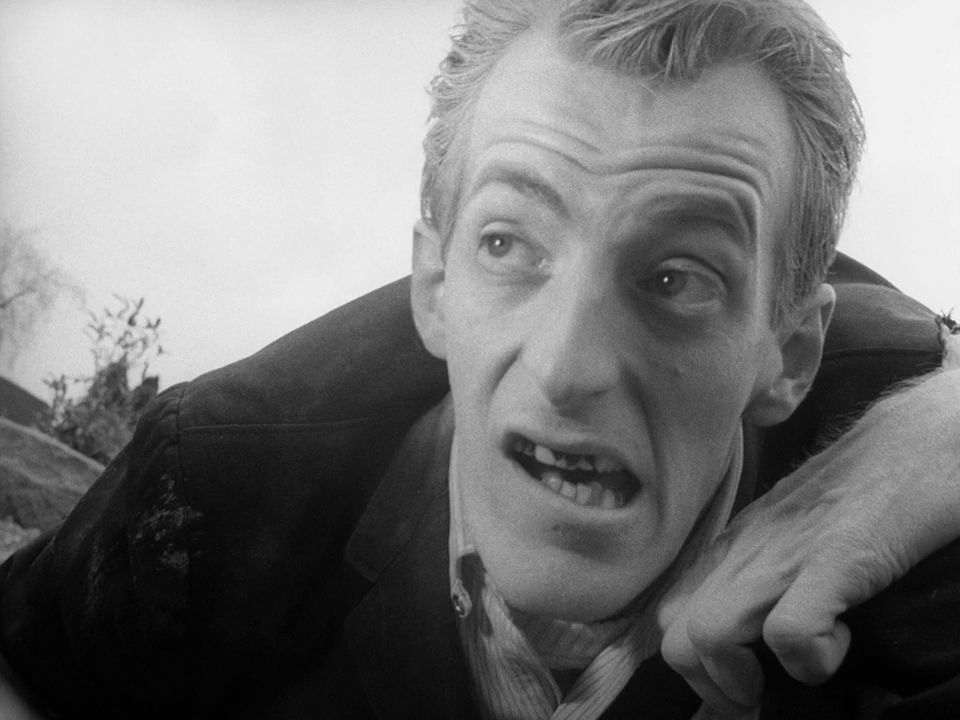
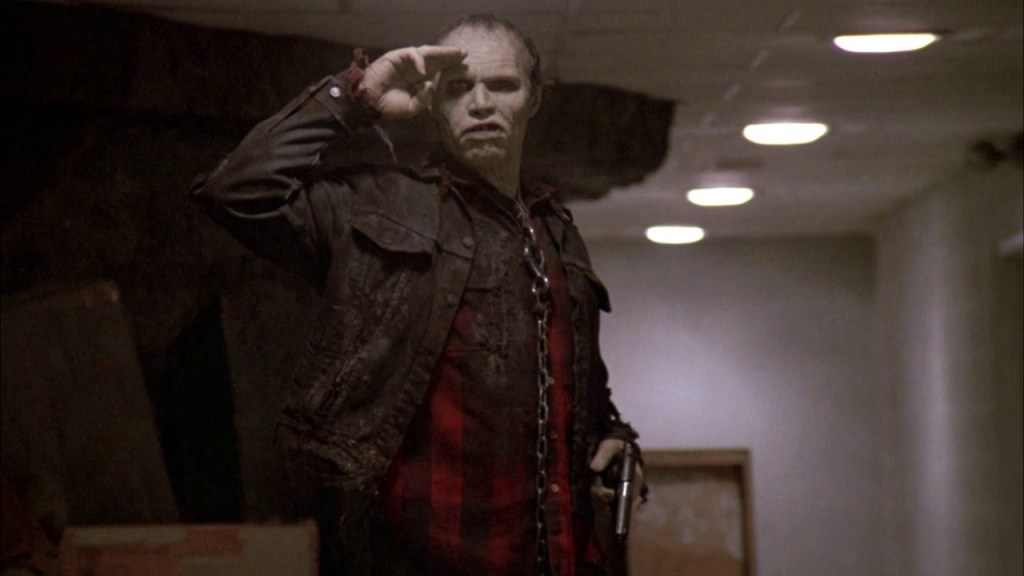
As time marches on, and horror becomes more and more like a McDonald’s menu of gross adrenaline, dopamine hits to the brain, the late, great George A. Romero’s “Living Dead” films truly did set a precedent for horror cinema. Night of the Living Dead was released in the years following the Civil Rights Act of 1965, which marked a slow but significant step toward racial equality in America. While progress was made, areas still steeped in segregation and racial inequality created a bumpy road forward. Romero made a bold choice by casting an African American, Duane Jones, as the lead. Whether intentional or not, having a Black man as the protagonist was refreshing. Ben’s character drives the narrative, and in the year marked by the assassinations of Dr. Martin Luther King Jr. and Robert Kennedy, as well as continued struggles for equality met with violence and efforts to censor, his death and incineration symbolize this entrenched bigotry.
The films also explore the Vietnam War, Iraq War, nuclear anxieties from the 1960s-1980s, and the crumbling illusion of the perfect suburban life of the 1950s. The fear of nuclear annihilation and the decay of the body are examined through the metaphor of zombies, who have no control over their desecration, symbolizing the American public’s powerless role in decisions made by the government and military. This theme is represented in 1985’s Day of the Dead, where survivors retreat to an underground bunker during the height of American-Soviet tensions in the 1980s. Dawn of the Dead, released three years after the fall of Saigon and the end of the Vietnam War, explores survivors who seek refuge in a shopping mall, only to return to a country obsessed with consumerism. Each film, with its metaphorical themes, has become a cornerstone of contemporary horror cinema, and at the time of writing in 2025, audiences easily recognize these horror metaphors due to Romero’s innovative narrative techniques. Through the lens of the humanities, Romero’s work has influenced generations of horror filmmakers.
Zombie culture experienced a notable revival in the 2010s, with The Walking Dead consistently ranking high in television ratings. The theme of zombies causing an apocalypse has even permeated academia and scientific inquiry. Romero’s integration of sociocultural themes into zombie lore was innovative, making horror cinema an avenue for reflecting on the realities we face. In modern society, discovering hidden subtext in horror cinema is an expectation. The Living Dead Quartet also explores the downfall of civilization from the standpoint of evolutionary biology. Romero’s zombie classics serve as an indictment of human nature, where human characters tear at one another just as violently as the zombies tear at doors and windows. Fear and dread are ancient traits of human biology that have persisted from prehistory into the modern age.
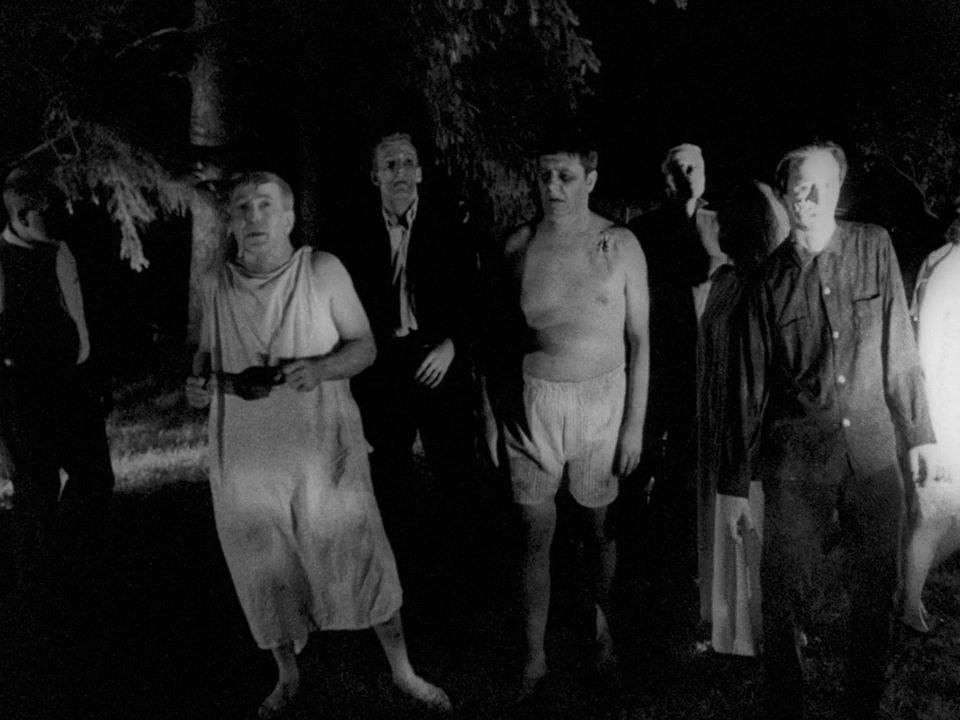
Romero’s four films also delve into the literal decay of the body and the fears that come with aging and death, themes that are universal to all living organisms. Humanity often measures its journey through life by the health of our bodies, with death offering the reprieve of eternal rest. Romero’s films examine how the dead rise to become flesh-eating zombies, disrupting the natural order by embodying decaying, monstrous examples of life in dissolution. In an era that idealizes beauty and youthful vigor, Romero’s zombies provide a stark confrontation with biological reality, a challenge that only sensitive viewers, subconsciously fearing aging and decay, may find difficult to face. Through the lens of social sciences, Romero’s zombie films explore an array of sociocultural themes over the past fifty years.
Night of the Living Dead tackled race relations and the deep-rooted fears of the Vietnam War era, positioning survivors against an unrelenting enemy. Dawn of the Dead critiques America’s obsession with consumerism in the 1970s, drawing a parallel between zombies’ insatiable hunger and society’s relentless consumption. Land of the Dead examines fears of immigration and racial superiority in the 2000s, with the elite survivors retreating to a gated mansion, a metaphor for the divide between the wealthy and blue-collar workers. These films provide a lens to reflect on how societal views have changed, and yet how often they remain the same.
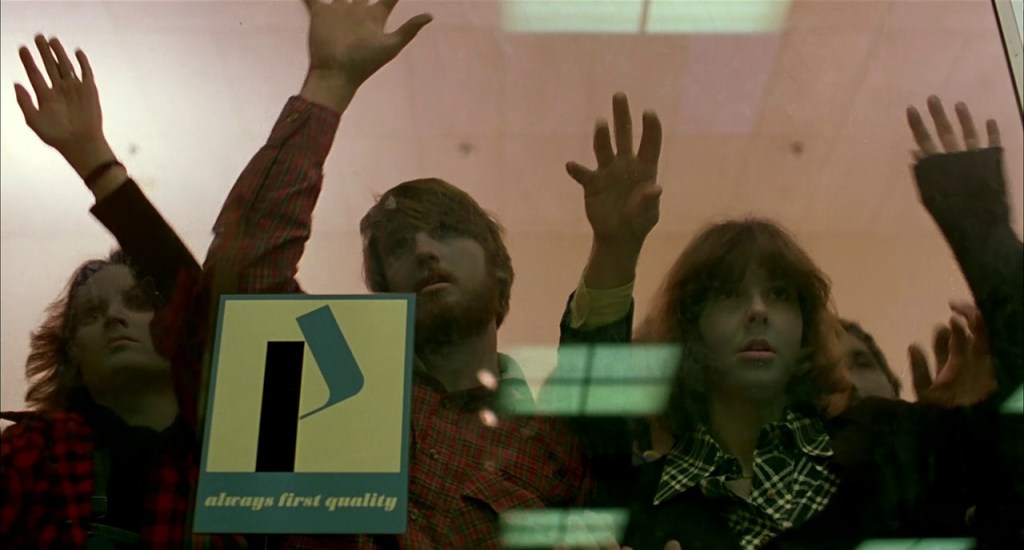
These films express how fantastical narratives and horrific situations not rooted in reality can actually serve meaningful metaphorical purposes for times of crisis in a nation. Spanning over five decades of American history, and rather than positioning themes around proactive and progressive American achievements to combat zombies, the films prefer to use the flesh-eating ghouls as metaphors for the deep social unrest that has been indicative of each decade. For many Americans who lived through the social unrest of the 1960s to 2000s (and beyond), Romero’s films made the horror feel disturbingly nihilistic and real, layering social critique onto already exaggerated cinematic terror.
Day of the Dead crams its characters inside an underground military bunker that is divided between scientists working to understand the causes of the living dead and a group of gruff, callous military soldiers who represent the absolute worst of American machismo. The 1980s in America were a time when some of the more horrific realities of the Vietnam War were starting to manifest in the national conversation. This was aided by the often hardline stance and rhetoric of the Reagan administration when referencing Communist regimes, as well as a seemingly overt dislike for Latin American governments. The scientists represent the sector of American society that was struggling to push forward the acceptance of progressive and exploratory ideas that moved the American vernacular away from consistently conservative and forceful suppression of progressivism. The military in the film is frequently sexist and racist, and quick to sacrifice their own and others if it means that they can save themselves.
This example represents the hollowness of strong rhetoric and military aggression as cowardice in reverse. This example and many others in the films are not just relying on cliched horror tropes to service the story in between. Scenes of violence, outlandish makeup, and gore provide situations that are creatively probing deep-rooted sociocultural issues that frequently favor only certain classes and races, sexualities, and genders, in their own idealized view of American society. All too often, sectors of society that deviate from centuries-old classism and antiquated customs and viewpoints are easily disregarded, just like the living dead zombies that mindlessly roam the countryside and seek human flesh.

Romero often positions powerful characters in his films as tone-deaf and self-serving, as seen with the military in Day of the Dead or the bigoted farmhouse owners in Night of the Living Dead. These characters, more focused on using others as human shields than cooperating with differing viewpoints, embody the American 1980s’ smear campaign against the poor and disadvantaged. The portrayal of the Dennis Hopper character in Land of the Dead reflects the era’s war on immigration rhetoric during the Bush administration. Viewed through the lens of the 2020s, these films resonate with historical moments of social unrest, where zombies symbolize the chaos unleashed when struggling Americans surrender to systemic inequality. The protagonists and antagonists of these films exist in a battle of ideologies, where the consequences of giving up can consume them at any moment.
The Living Dead Quartet serves two crucial roles in popular culture. While praised as some of horror cinema’s finest, the films are also revered for how Romero transcended horror tropes, using them as artistic representations of social unrest and apocalyptic anxieties tied to military hubris during the Nuclear Age. Romero’s zombie lore created a genre uniquely expressive in its critique of American society, military expansion, and market capitalism. Today, the themes Romero explored remain relevant, offering audiences both thrilling entertainment and a lens to reflect on social and existential struggles.
 Charles Switzer